What Is TMD?
Jaw pain, stiffness, clicking, or grinding are signs of Temporomandibular Joint Dysfunction. Many people ignore it for years, believing it will go away, but in most cases it gradually worsens.
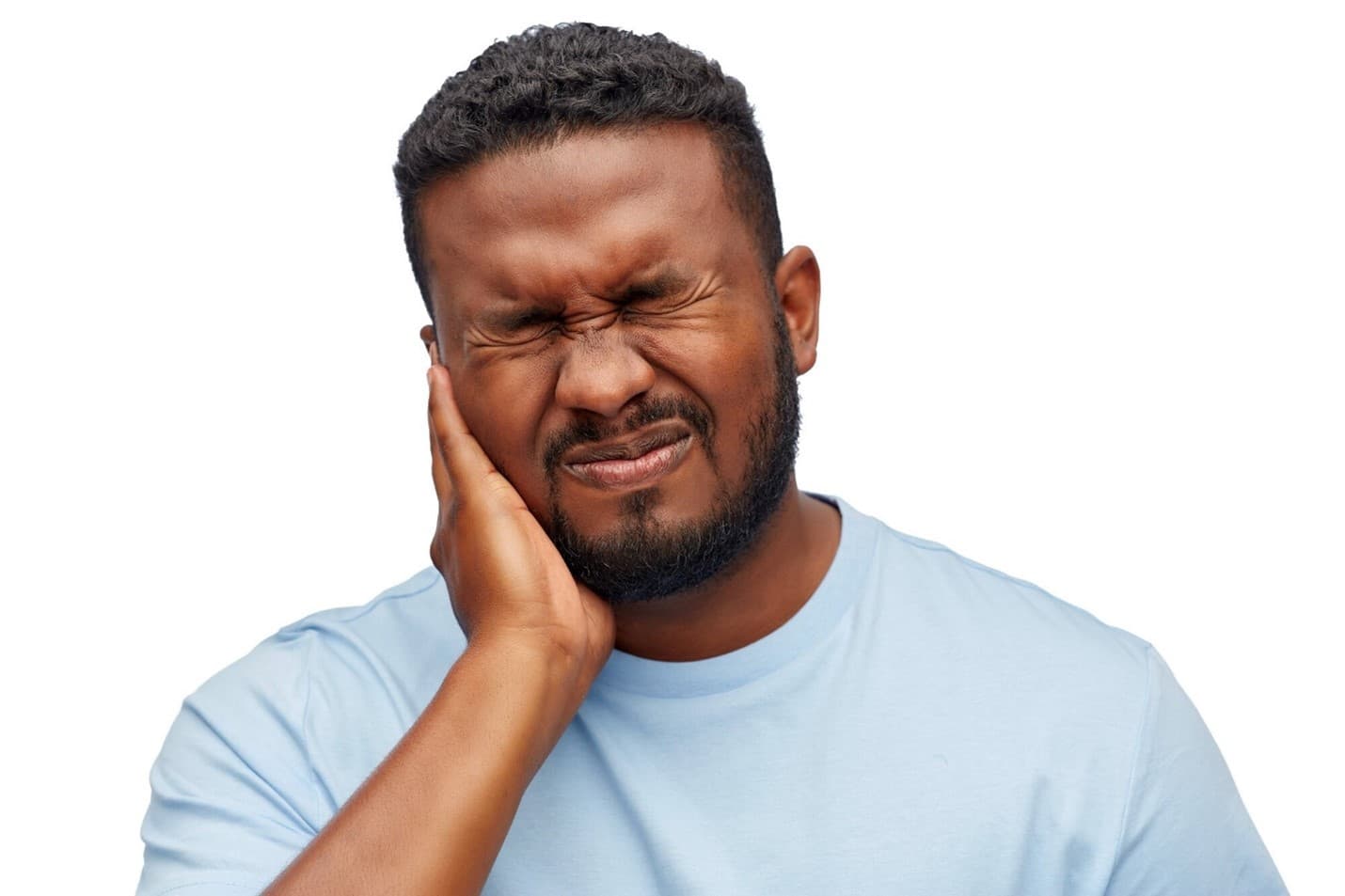
Jaw clicking, stiffness, or pain rarely appear suddenly. They usually begin with a small rumble in the joint that gradually becomes louder and more uncomfortable.
Most likely it will be one or a combination of these symptoms:
- Jaw joint pain.
- Stiffness.
- Noises or clicking.
- Reduced mouth opening.
- Difficulty chewing.
- Grinding your teeth at night.
These are all signs of what medical professionals term Temporomandibular Joint Dysfunction, or TMD. This is simply a term used to describe a jaw joint problem.
Typically, the first sign you may have noticed was a small rumble in the jaw joint when opening or closing your mouth, or when chewing. Over time, that rumble often becomes louder and more uncomfortable. Many people live with this for years until pain develops or their ability to eat and open their mouth becomes restricted. Only then do they seek medical advice.
If you have any of these signs, you are not alone. Studies show jaw joint problems affect a large portion of the population. Nearly every second or third person you meet is likely to have clicky jaws or some form of jaw joint dysfunction.
There is a common misconception that it will go away by itself and therefore it receives little treatment. However, in my experience, the clicking and pain do not go away. They gradually get worse. It may take many years, but they usually worsen over time.
TMD is not a fatal condition, which may be one reason it has not received the research funding and attention it deserves. However, left untreated, it can lead to severe arthritis, destruction of the jaw joints, and significant pain.
This does not have to happen.
There is a simple way to address the problem. That is why I wrote Clicky Jaws – A self help manual to eliminate clicking jaws permanently.